 Reviews


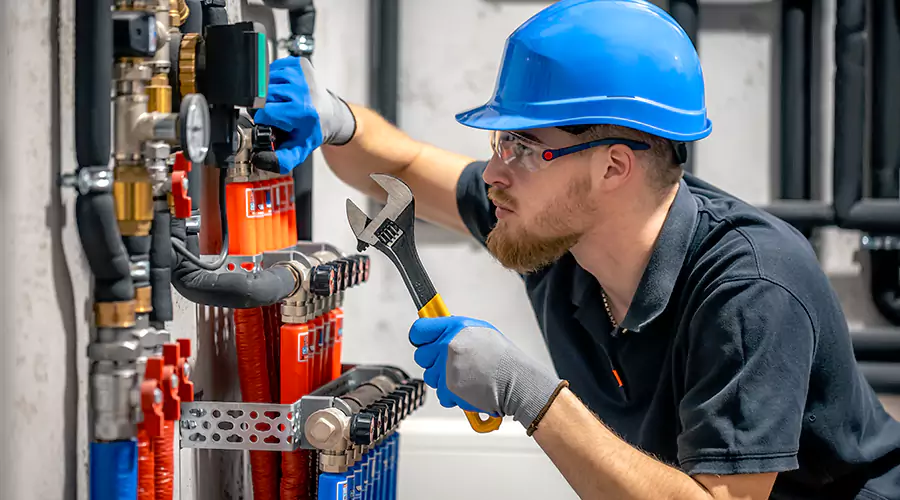
A reliable plumbing system is not about luck. It is about habits, simple inspections, and fixing small issues before they turn into damage. The best part is that protecting your plumbing does not require constant work. A few small routines each month, plus seasonal checkups, can prevent most expensive emergencies.
This year round guide covers what to check, how often to do it, and which warning signs mean it is time to call a licensed plumber.
What Protecting Your Plumbing Really Means?
Protecting your plumbing is a mix of prevention and early detection. Your goal is to:
- Keep water where it belongs
- Keep drains flowing freely
- Control water pressure so it does not stress pipes and fixtures
- Extend the life of your water heater and appliances
- Reduce the risk of freezing, leaks, and sewer backups
If you follow the schedule below, you will catch most problems early.
Monthly Routine (10 minutes)
1) Do a Quick Leak Scan
Walk through kitchens, bathrooms, and the laundry area.
- Look under sinks for moisture or swelling
- Check around toilets for dampness at the base
- Scan ceilings below bathrooms for stains
- Look around the water heater for drips or rust streaks
If you notice anything new, take a photo and recheck it in 24 hours to complete your plumbing inspection properly.
2) Listen for Running Toilets
A toilet that refills on its own wastes water quietly.
- Listen for a faint hiss or refilling sound
- If you suspect a leak, do the dye test (food coloring in the tank, wait 10 to 15 minutes, then check the bowl)
3) Keep Drains Protected
The easiest drain protection is prevention.
- Use sink and shower strainers
- Keep grease out of kitchen drains
- Do not flush wipes, paper towels, or hygiene products
Quarterly Routine (Every 3 months)
1) Inspect Appliance Supply Lines
Supply line failures are a common cause of sudden flooding.
Check:
- Washing machine hoses for bulges, cracks, or corrosion
- Dishwasher supply line area for dampness
- Refrigerator ice maker line for kinks and slow leaks
If you have older rubber washing machine hoses, consider upgrading to braided stainless steel.
2) Clean Faucet Aerators and Showerheads
Mineral buildup reduces flow and can make pressure feel worse.
- Unscrew aerators and rinse debris
- Soak in vinegar if you see scale
3) Test Shut Off Valves Gently
Shut off valves should work when you need them.
- Locate fixture shut offs under sinks and behind toilets
- Turn them off and on slowly
- If a valve is stuck or leaks when touched, schedule replacement.
Seasonal Routine (4 times per year)
Spring: Reset After Winter
Spring is a good time to check for damage and prepare for rain.
- Test the sump pump (pour water into the pit and confirm it activates)
- Check floor drains and pour water into rarely used drains to keep traps full
- Inspect outdoor faucets for drips or cracks
- Walk the property for soggy areas that could indicate irrigation leaks
Summer: Control High Usage
Summer often increases water demand.
- Inspect sprinkler heads and valves for leaks
- Fix dripping hose bibs quickly
- Watch your water bill for sudden spikes
- Keep kitchen drains clean by avoiding grease and using strainers
If your bill jumps, do a water meter test to confirm whether water is flowing when everything is off.
Fall: Prepare for Freezing
Fall is the best season for prevention.
- Disconnect hoses and drain outdoor faucets
- Shut off interior valves to outdoor lines if your home has them
- Insulate exposed pipes in crawl spaces, garages, and basements
- Clear gutters and verify downspouts direct water away from the home
Good drainage around the foundation reduces basement moisture and sump pump stress.
Winter: Prevent Frozen Pipes and Damage
Winter protection is about keeping pipes warm and responding early.
- Keep indoor heat stable, even when traveling
- Open cabinet doors under sinks on exterior walls during cold snaps
- Seal drafts near pipes
- Let vulnerable faucets drip slowly during extreme cold
If a faucet stops flowing or you see frost on a pipe, treat it as urgent.
Water Pressure: The Hidden Risk
High water pressure stresses hoses, valves, and fixtures. Over time, it can create leaks and shorten appliance life.
Signs of pressure issues
- Banging pipes when shutting off a faucet
- Frequent toilet fill valve problems
- New drips that keep returning
If you have a pressure gauge, test at an outdoor faucet. Many homes run comfortably around 40 to 60 psi. Pressure consistently above 80 psi is a risk.
A plumber can test the system and service the pressure reducing valve if needed.
Water Heater Protection
Your water heater is one of the most expensive plumbing components in the home. Protecting it is simple.
Basic yearly steps
- Confirm the temperature setting is around 120'F
- Look for rust streaks, moisture, or corrosion at fittings
- Listen for rumbling or popping noises
Sediment buildup reduces efficiency and shortens heater life. Many homes benefit from periodic flushing, especially in hard water areas.
If you have a tankless unit, descaling frequency depends on water hardness and usage.
Drain and Sewer Line Protection
Drain problems are often caused by habits.
Prevent clogs
- Never pour grease down the sink
- Use hair catchers in tubs and showers
- Flush only toilet paper
- Avoid putting fibrous and starchy foods in the garbage disposal
Watch for sewer warning signs
- Multiple fixtures draining slowly at the same time
- Gurgling drains or bubbling toilets
- Sewage odors that return
- Water backing up in a tub when a toilet flushes
These are not normal. They often point to a main line issue.
When to Call a Licensed Plumber?
Safety box: Call a licensed plumber if you have backups in multiple fixtures, sewage smells, water meter movement when all water is off, leaks in walls or ceilings, frozen pipes, or a water heater that is leaking from the tank. If water is near electrical outlets or panels, shut off water and get professional help immediately.
Final Thoughts
Protecting your plumbing year round is about consistency, not complicated projects. Follow the monthly and seasonal routines, keep an eye on pressure, and address small leaks quickly. If you notice sewer warnings, water heater leaks, or hidden moisture, do not wait. Early action saves money.
Want a professional to check your plumbing system and identify risks? Contact a licensed plumbing company to schedule a full home plumbing inspection and stay ahead of repairs.
Frequently Asked Questions
How often should I schedule a professional plumbing inspection?
Most homes benefit from an annual inspection. Older homes, hard water areas, and high usage households may benefit from more frequent checks.
What is the fastest way to confirm a hidden leak?
Use the water meter test. Turn off all water, take a photo of the meter, wait 30 to 60 minutes, then recheck. If it changes, water is flowing somewhere.
Should I clean drains with boiling water?
Hot water can help with minor buildup in metal pipes, but boiling water can be risky for some plastic piping and can loosen certain joints. If you are unsure, use warm water and safer maintenance methods.
When should I replace washing machine hoses?
If they are rubber, replace every five years or sooner if you see bulges, cracks, or corrosion. Braided stainless steel hoses are a strong upgrade.
What are the first signs a water heater is failing?
Common early signs include moisture around the base, rusty hot water, unusual noises, and inconsistent water temperature.